
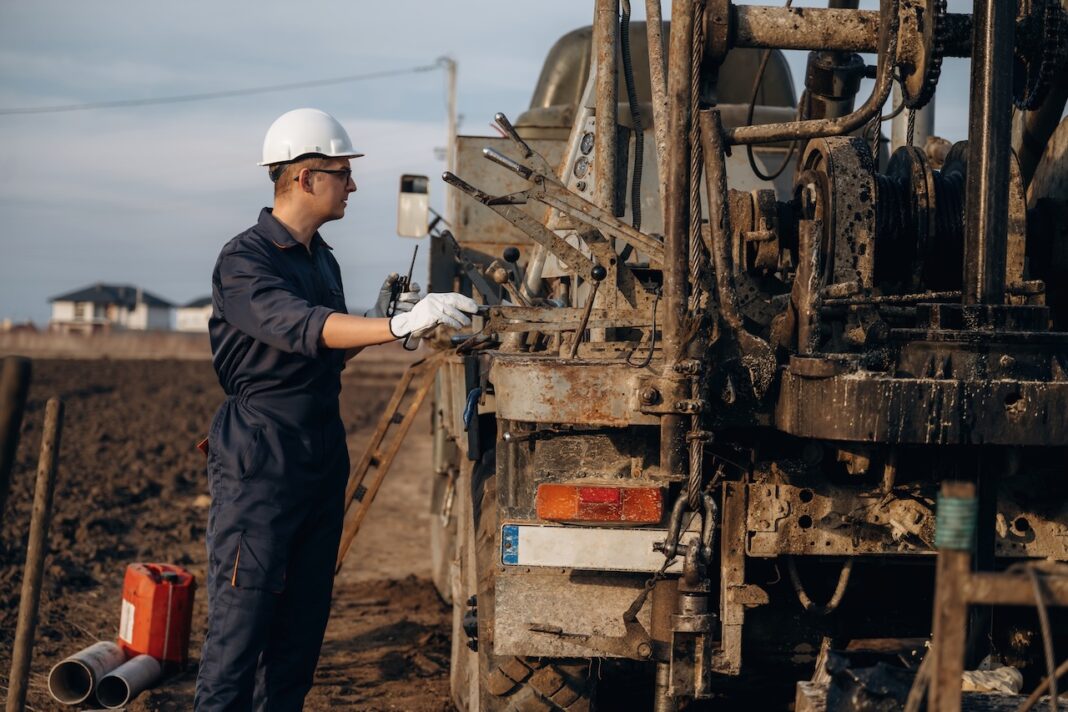


When planning an underground construction project, choosing the right excavation method is essential. While traditional trenching has long been the go-to solution for such projects, directional drilling offers a modern, innovative alternative. So, how do you decide which approach is better for your project? In this article, we’ll compare these two methods, highlighting their advantages, limitations, and ideal use cases to help you make an informed decision.
Understanding Directional Drilling
Directional drilling, also known as Horizontal Directional Drilling (HDD), is a trenchless technique used to install underground utilities such as pipelines, cables, and conduits. This method creates minimal surface disruption by drilling a precise path beneath the ground. It’s ideal for projects in urban areas, environmentally sensitive zones, or locations with challenging surface conditions.
Key Advantages of Directional Drilling:
- Minimal Surface Disruption: Directional drilling eliminates the need for large-scale excavation, preserving roads, landscapes, and existing infrastructure.
- Cost Efficiency Over Time: While initial costs may be higher, savings on restoration and reduced downtime often make it a cost-effective solution.
- Greater Versatility: This method allows utility installation beneath obstacles such as rivers, highways, and buildings.
- Environmentally Friendly: Less soil displacement reduces the impact on the surrounding area, making it a sustainable alternative.
However, directional drilling isn’t without its challenges. Projects requiring high precision and advanced machinery need skilled operators, which may increase project complexity and costs.
Exploring Traditional Trenching
Traditional trenching involves excavating narrow, open trenches to lay down utilities. It’s a widely used, straightforward approach, especially for smaller or simpler projects, thanks to its cost-effectiveness and accessibility.
Key Advantages of Traditional Trenching:
- Lower Initial Costs: Traditional trenching generally requires less specialized equipment, making it more affordable upfront.
- Widely Accessible: Most contractors are experienced with trenching, and the equipment is readily available.
- Simplicity: It’s a relatively straightforward process, suitable for projects requiring simple, above-ground access.
That said, traditional trenching has its limitations. The method demands significant surface excavation, often leading to disruptions, longer project timelines, and higher restoration costs.
Comparing the Two Methods: Deciding What’s Best for Your Project
Choosing between directional drilling and traditional trenching depends on several factors, including your project’s scope, location, budget, and environmental considerations. Let’s break it down:
- Surface Disruption:
-
- If preserving landscapes or infrastructure is critical, directional drilling is the superior choice.
- For open fields or non-sensitive areas, trenching may suffice.
- Project Complexity:
-
- Projects crossing obstacles, such as waterways or urban roads, benefit from the advanced capability of directional drilling.
- Simpler, short-length projects often make trenching the more straightforward option.
- Environmental Impact:
-
- Directional drilling is better suited for preserving natural ecosystems and minimizing environmental damage.
- Trenching may disturb the surface environment relative to the area size.
- Cost Considerations:
-
- Traditional trenching may be a budget-friendly option for smaller projects.
- Larger projects often benefit from the long-term savings that directional drilling offers.
Final Thoughts: Making Your Decision
The choice between directional drilling and traditional trenching ultimately hinges on the unique requirements of your project. Directional drilling is ideal for modern, complex, and environmentally conscious projects, while traditional trenching remains a reliable option for straightforward tasks with minimal disruption concerns.
By weighing the pros and cons of each method and matching them to your project needs, you can confidently move forward with the most efficient and cost-effective solution. Both methods have their place, but with the right approach, you’ll ensure the job gets done seamlessly and on budget.